

A guest messages your front desk at 2am on WhatsApp, half Arabic and half English, and the AC in room 412 hasn't worked since check-in. Nobody sees it until 7am. By then the review is already live.
Complaint handling automation for hotels closes that gap by triaging every message the moment it arrives, in the language it arrives in, and routing it to the right team before the night shift wakes up.
Key Takeaways
- 88% of guests expect a reply within 60 minutes — The SuperOffice 2025 Customer Experience Report puts the window at one hour, starting when the guest sends the message, not when staff notice it. A complaint sent overnight on WhatsApp blows past that window long before the morning shift logs in.
- Guests mix Arabic, English, and Arabizi in one message — Manual triage breaks when the agent who picks it up doesn't match the guest's language, and each handoff between queues adds roughly ten minutes to the clock. Automation built for the region supports well over 100 languages and dialects, so detection and routing happen before a human sees the ticket.
- Administrative coordination eats close to 30% of staff time — A McKinsey study on hotel operations found staff spend nearly a third of working hours routing and coordinating complaints instead of serving guests, while labor already accounts for 30 to 40 percent of a hotel's total operating costs.
- DNCR fines climb to AED 150,000 by the third breach — Cabinet Resolutions 56 and 57 of 2024, effective 27 August 2024, require TDRA approval for outbound automated calls and restrict calling to 09:00-18:00. Do Not Call Registry breaches cost AED 50,000 for a first offense, AED 75,000 for a second, and AED 150,000 for a third.
- 42% of guests will return if a complaint is fixed fast — The 2022 Medallia Guest Experience report ties that return rate to immediate action, not eventual resolution. Cornell's Center for Hospitality Research found a one-point ratings improvement makes guests 13.5 percent more likely to book, so a slow overnight complaint works against both numbers.
Why the First 60 Minutes Define a UAE Hotel's Guest Relationship
Guests expect answers inside an hour, and UAE reviews go live before checkout. The SuperOffice 2025 Customer Experience Report found 88 percent of guests expect a response to any service concern within 60 minutes. That hour starts when the message arrives, not when your team notices it.
Recovery is possible, but only if it's fast. The 2022 Medallia Guest Experience report found 42 percent of guests would return to a hotel after a poor stay if the issue was addressed immediately.
The Cornell Center for Hospitality Research found a one-point improvement in a hotel's average rating on a five-point scale makes potential guests 13.5 percent more likely to book. Every silent late-night complaint chips away at that number.
The Bilingual Triage Problem UAE Hotels Haven't Solved
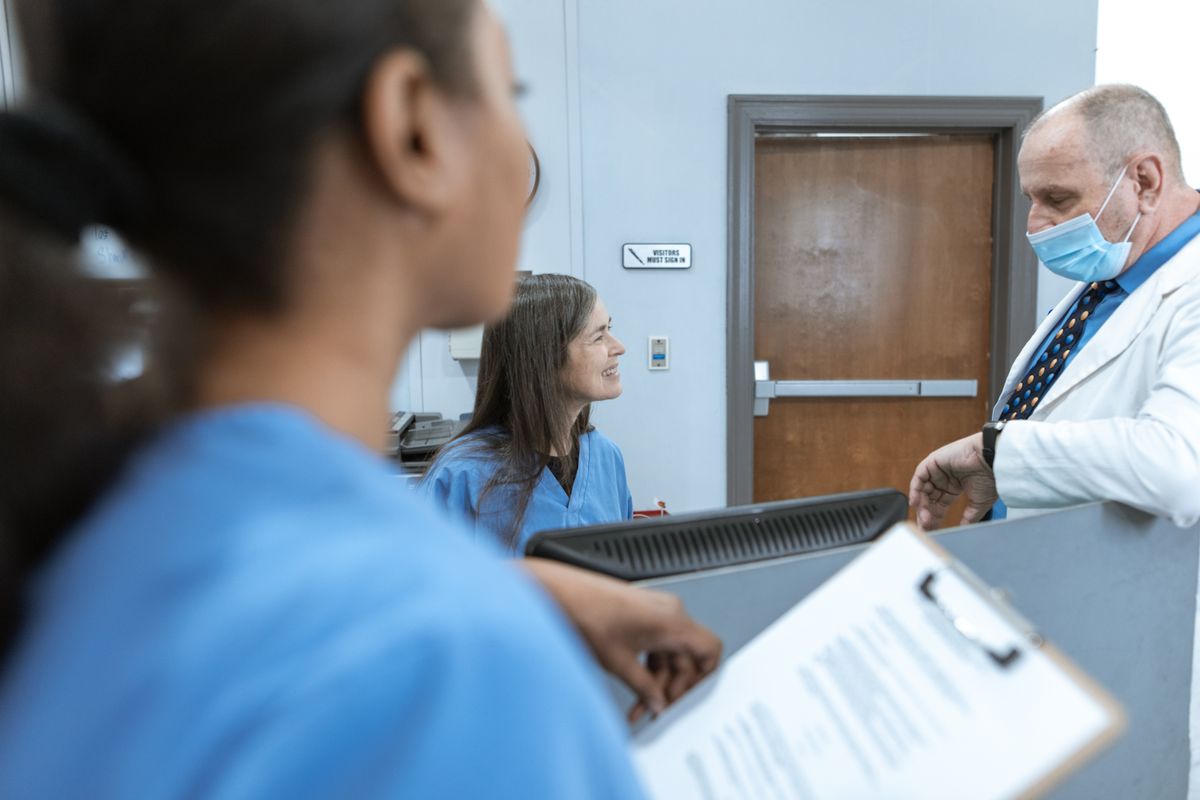
Photo: RDNE Stock project on Pexels
UAE guests don't write in one language. They message in Arabic, in English, and in Arabizi, often inside the same sentence, and manual triage breaks the moment the receiving agent doesn't match the language.
Picture the flow. A complaint arrives in Arabic on WhatsApp at 11pm. Whoever picks it up forwards it to the English front-desk queue, which then asks the guest to clarify.
The guest is already frustrated, now retyping in a second language, and every handoff adds ten minutes to the clock that started at message one.
Hotels that lack bilingual intake absorb the friction quietly until it surfaces on Google, TripAdvisor, or Booking, at which point the recovery window has closed.
Complaint handling automation for hotels solves the language problem at the intake layer. Systems built for multilingual environments support well over 100 languages and dialects, so detection and routing happen before any human sees the ticket.
How Complaint Handling Automation Routes a Message From Intake to Resolution
Automation captures the complaint, classifies it, routes it, and updates the guest, without a human dispatcher.
Complaints arrive through voice calls, SMS, WhatsApp, and email. Full complaint detail and guest information land in a single record at intake, without a form or a callback loop.
Language detection runs immediately. The system identifies whether the message is Arabic, English, or a mix, and routes accordingly. Nothing bounces back to the guest asking for translation.
Department and priority routing is next. Housekeeping, maintenance, F&B, security. The complaint lands with the team that owns the fix, with urgency flagged and the guest's full profile attached, so the responding staffer opens a ticket already briefed.
Guests can call back any time to check resolution status, provide follow-up detail, or escalate. That status stays accessible without tying up your front desk.
Escalation Logic: What Happens When a Complaint Needs a Human
Automation recognises its own ceiling. A distressed guest, a safety concern, or a repeat complaint from the same room triggers escalation to a live agent, and the handoff carries every prior message with it.
Full complaint history transfers with the ticket. Salesforce's 2023 State of the Connected Customer report found 72 percent of guests expect hotel staff to share information internally so guests don't repeat themselves. The handoff either honours that expectation or breaks it in the worst possible moment.
Consistency is the loyalty driver, not any single interaction. PwC's Future of Customer Experience Survey found 73 percent of guests say consistency across interactions matters more to their loyalty than the quality of any single interaction. Handoff quality is where consistency lives or dies.
The same routing principles carry across channels, which is why how hotels route customer emails automatically to the right person is the direct extension of this playbook when a complaint spawns follow-up email threads.
What Hotel Complaint Automation Does to Your Team's Capacity

Photo: Vitaly Gariev on Pexels
Automation returns time. It does not remove people, and framing it as headcount reduction misses the operational point.
Hotel labor costs typically consume between 30 and 40 percent of total operating costs. Manual complaint triage pulls that cost upward every peak night, because someone is being paid to read, route, and update rather than solve. A McKinsey study on hotel operations found staff spend close to 30 percent of their working hours on administrative coordination tasks rather than direct guest service.
Peak occupancy exposes the constraint directly. A Dubai high season doesn't scale your team by 40 percent, but complaint volume climbs anyway, and automated routing absorbs that curve without adding shifts.
The recovered hours open work you couldn't run before, and the dormant list every hotel is sitting on is the natural place to spend the time your team just got back. If that reframe sounds like the fit for your property, Lenoo AI can walk it through with your operations lead.
UAE Compliance Rules That Apply to Automated Guest Communications
Automation touches personal data and outbound calling, both of which the UAE regulates directly. Configure the system to comply before it sends its first message.
Federal Decree-Law No. 45 of 2021, the Personal Data Protection Law, governs how guest complaint data is stored and processed. Any automation that logs conversations, records voice interactions, or holds guest information falls under the UAE Data Office's requirements, and consent management has to be part of the setup, not an afterthought.
Cabinet Resolutions 56 and 57 of 2024, effective 27 August 2024, govern outbound automated calls. TDRA prior approval is required. The calling window is 09:00 to 18:00.
The Do Not Call Registry has to be checked. Fines run AED 50,000 for a first DNCR breach, AED 75,000 for a second, and AED 150,000 for a third.
Hotels operating inside DIFC or ADGM sit under layered data regimes on top of the federal PDPL. The same rules cover post-complaint follow-up, so automated feedback collection for hotels has to be scoped inside the same compliance frame as intake.
DNCR fines climb fast once outbound calling breaches the rules, so the escalation is worth laying out plainly.
| DNCR Breach | Fine |
|---|---|
| First breach | AED 50,000 |
| Second breach | AED 75,000 |
| Third breach | AED 150,000 |
What Deployment Looks Like and What to Budget
Deployment for complex complaint automation with custom integrations and advanced routing typically takes one to two weeks. Hotels with existing property management systems should expect the integration layer to consume most of that window.
Training is not optional. Front desk agents, duty managers, and department heads need to know when the system escalates to them, what context arrives with the ticket, and what action the system expects them to take. Automation without a trained team produces a different kind of failure: complaints get routed correctly, then sit in a queue nobody was told to check.
Budget realistically. For UAE properties, focused scoping and single-channel builds typically start in the AED 10,000 to 50,000 range. Multi-department, bilingual, multi-channel deployments with PMS integration and compliance-configured outbound calling sit in the AED 50,000 to 200,000 band.
For the full operational picture beyond complaint handling, AI automation for hotels in the UAE is the complete guide covering booking, service recovery, and post-stay follow-up.
If you want an honest read on which complaint channels your property should automate first, book a free 30-minute consultation with Lenoo AI. You'll get a specific recommendation on whether the build fits your property's current size.
Related reading
FAQ
Can complaint automation handle Arabic and English in the same conversation without asking the guest to switch languages?
Yes. Modern complaint automation platforms support well over 100 languages and dialects, and language detection runs at intake. A guest who mixes Arabic and English mid-sentence gets routed correctly without being asked to translate their own complaint.
Does the system support escalation protocols when a complaint goes beyond what automation can resolve?
Yes. Escalation triggers on distressed guests, safety concerns, and repeat complaints from the same room, and the handoff carries the full complaint history to the live agent. The guest doesn't repeat themselves, and the agent doesn't start blind.
Can guests call back to check the status of their complaint after they have filed it?
Yes. Guests can call back any time to check resolution status, provide additional detail, or escalate the issue, and that status stays accessible without tying up the front desk.
Which UAE regulations apply when a hotel automates outbound follow-up calls after a guest complaint?
Cabinet Resolutions 56 and 57 of 2024, effective 27 August 2024, apply. TDRA prior approval is required, the calling window is 09:00 to 18:00, and the Do Not Call Registry must be checked. Fines start at AED 50,000 for a first breach and rise to AED 150,000 for a third.
What channels can the system receive complaints through?
Voice calls, SMS, WhatsApp, and email. Full complaint detail and guest information land in a single record at intake, so the responding team opens a ticket that's already complete rather than reconstructing one.
How long does it typically take to go live with complaint automation in a hotel that already has a property management system?
One to two weeks for complex implementations with custom integrations, advanced routing, or specialised workflows. The PMS integration layer typically consumes most of that time, so loop your IT lead in early.
How does automated complaint routing handle peak occupancy without adding headcount?
Automation scales with volume, not shifts. A Dubai high season doesn't require front-desk coverage proportional to complaint volume, because intake, classification, routing, and status updates all run without a dispatcher pulling them along.


