

A UAE customer whose parcel is late does not open a support ticket. They fire off a WhatsApp message, half in Arabic, half in English, sometimes in Arabizi, and they expect a reply before their coffee gets cold. That is the real starting point for complaint handling automation ecommerce teams in the UAE need to plan for, and it is where most workflows quietly fall apart.
This guide walks through what a working automated triage system actually looks like for a UAE store: WhatsApp-first intake, bilingual sentiment, classification and routing, deduplication, PDPL compliance, and a realistic view of what the build costs.
Key Takeaways
- Complaints land on WhatsApp, not email first — UAE shoppers message in Arabic, English and Arabizi within the same complaint. Automation built around an English-only email inbox misroutes these cases before triage even starts.
- Automation resolves most complaints before humans see them — One live implementation reports around 65% of cases were answered or resolved automatically within weeks of switching the workflow on, leaving the harder third for staff to handle.
- Bilingual sentiment scoring decides escalation accuracy — A model trained only on English misreads Arabic emotional tone and can flag angry messages as neutral, sending urgent complaints into a standard queue instead of an escalation tier.
- PDPL governs personal data in complaint records — Federal Decree-Law No. 45 of 2021 applies consent, storage-limit and deletion rules to names, phone numbers, emails and attached ID or invoice documents inside complaints, so compliance has to be built in, not bolted on later.
- A focused triage build costs AED 10,000-50,000 — Sitting the automation on top of an existing CRM, helpdesk or WhatsApp Business API keeps the initial investment in that band; multi-channel systems with deeper bilingual NLP and PDPL-compliant document handling cost more.
Why Manual Triage Breaks Down When Customers Complain in Two Languages
Manual triage fails in the UAE because the queue is bilingual, high-volume and lives on WhatsApp. A support agent reading messages one by one cannot classify Arabic, English and Arabizi complaints fast enough to respond in the window customers actually expect.
Start with the channel. UAE shoppers reach for WhatsApp before email or a web form. If your triage process assumes an email inbox is the top of the funnel, you are already reading the second wave of the same complaint.
Then the language layer. A single message might open with an Arabic greeting, switch to English to describe the product, and end with a phrase in Arabizi like "ma3lesh bs 3ayez a return". A human agent can decode that.
A rules-based ticketing system built for English tags it as gibberish, drops it into a "review manually" bucket, and the clock starts on a bad review.
The delay is the damage. When a frustrated customer waits an hour for someone to acknowledge them, the next thing they type is usually a public one-star review. Manual bilingual triage at volume produces exactly that pattern.
The same ministry sets the consumer protection rules that apply to automated sales contact just as they do to a human sales team.
The Automated Triage Workflow: From WhatsApp Message to Department Assignment
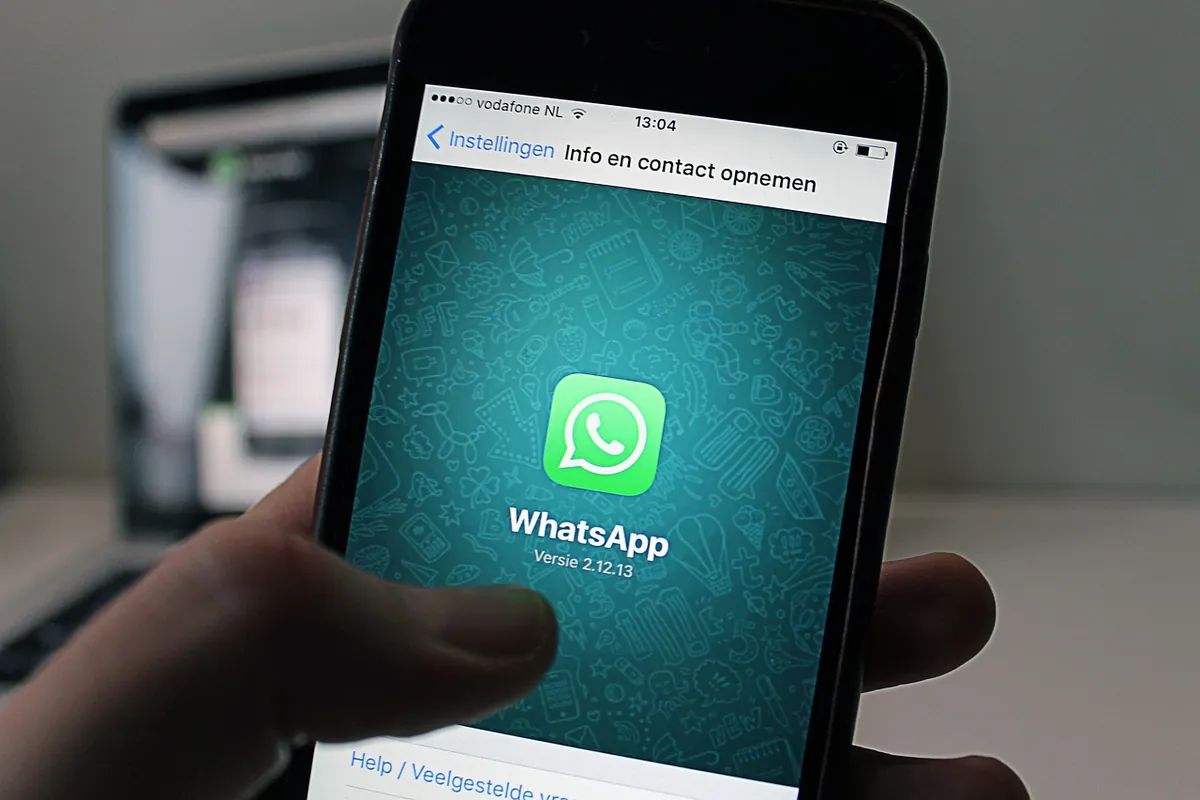
Photo: antonbe on Pixabay
Here is what a working triage pipeline does before a human is involved. Complaints from WhatsApp, email and web forms feed into a single queue through webhooks or APIs, so every channel lands in one place with a consistent record shape.
An AI layer then validates the message: is this a real complaint, does it have the fields we need, is it a duplicate? Language detection runs next, followed by classification into a type: delivery, payment, returns or product quality. Only after that does routing happen.
While the ticket is being assigned, an automated first response goes out to the customer in the language they wrote in. That reply is not a resolution. It confirms the issue was received, gives a reference number and sets an honest expectation for the next step.
Perceived wait time drops sharply, which is often what protects the review score even when the fix itself takes hours.
Workflow tools like n8n stitch the intake, classification and routing steps together with the CRM, helpdesk and messaging channels the store already uses. The automation sits on top and does the sorting work that used to take a supervisor half a morning.
Sentiment Analysis That Works in Arabic, English, and the Mix in Between
Sentiment scoring is what tells the workflow whether a complaint is a normal query or a fire. Get it wrong and urgent cases sit behind routine ones, which is the failure mode that generates public complaints.
In the UAE, the model has to read Arabic script, Latin-script English and Arabizi inside the same message. A model trained only on English will misread Arabic emotional tone, flag angry messages as neutral, and route them to a standard tier when they should be escalated.
When the sentiment layer works, high-negative messages trigger an escalation flag before a human opens the thread. A senior agent gets the alert, sees the classified complaint and the sentiment score together, and can respond in minutes rather than hours. Bilingual sentiment is not a nice upgrade for a UAE store.
It is the piece that decides whether your escalation tiers reflect reality.
Classification and Routing: Matching Each Complaint to the Right Team Automatically
Once a complaint has a language, a type and a sentiment score, routing becomes a solved problem. Logistics complaints go to the fulfilment team, payment issues to finance, returns to customer service, product defects to quality. No supervisor triaging tickets by hand.
No cases sitting in an unassigned pile.
The staff notification matters as much as the routing. The right person gets a Slack or WhatsApp alert with the classified complaint, the sentiment score and a recommended action already attached.
One live implementation reports that around 65% of cases were answered or resolved automatically within weeks of switching the workflow on. The remaining third are the harder cases your team should be spending their attention on.
Once a complaint has a type, routing follows a fixed mapping to the team that owns it.
Deloitte Middle East publishes regional research on how AI adoption is actually landing across GCC sectors.
| Complaint Type | Team Assigned |
|---|---|
| Logistics complaints | Fulfilment team |
| Payment issues | Finance team |
| Returns | Customer service team |
| Product defects | Quality team |
Duplicate Detection: Stopping the Same Complaint from Reaching Three Inboxes

Photo: Torsten Dettlaff on Pexels
A customer who does not get a reply within minutes rarely waits. They resend the same complaint on WhatsApp, email it, then post it as an Instagram DM for good measure. Without deduplication, one problem becomes three tickets, three responses and three sets of internal noise.
Duplicate detection checks the incoming message against existing records using name, phone number and email. If there is a match on an open ticket, the system flags a conflict before a new ticket is created, and the new message is threaded into the existing case.
All the data behind those decisions is written to a structured database, which makes audit and root-cause analysis possible. Clean deduplication also protects your operational metrics: inflated complaint counts distort team performance reviews.
PDPL and What UAE Data Law Requires of Your Complaint Records
Complaint records contain personal data, and in the UAE that data is regulated. Federal Decree-Law No. 45 of 2021, the PDPL, treats a customer's name, phone number, email and purchase history inside a complaint record as personal data subject to the law.
That means consent, storage limits and deletion rules apply to your automation, not just to your marketing database.
The UAE Data Office is the federal regulator. Stores operating within DIFC or ADGM face layered regimes on top of the federal law, so the compliance answer depends on where the entity is licensed. In practice, the architecture has to support consent capture at intake, minimum-necessary storage, and deletion workflows when a customer requests them.
There is also the document layer to think about. UAE complaints often arrive with Emirates ID photos, VAT invoices and mixed Arabic-English PDFs attached. Those files carry personal data too.
They have to be stored, processed and eventually purged in line with PDPL rather than left sitting in an agent's WhatsApp media folder. Compliance is cheaper to build in at day one than to retrofit into a system that has been running for a year.
Build, Integrate, or Both: What UAE E-Commerce Stores Actually Need to Start
Most UAE e-commerce stores do not need a ground-up custom build. Sitting the automation on top of an existing CRM, helpdesk or WhatsApp Business API is lower risk and easier to change when the workflow needs adjusting.
A focused complaint triage workflow on existing tooling sits in the AED 10,000 to 50,000 investment band. Multi-channel systems that add full bilingual NLP, PDPL-compliant document handling and deeper reporting cost more.
Team training belongs in every build. Operations staff should be able to adjust routing rules, tune escalation thresholds and add new complaint categories without waiting on a developer.
If you are weighing where to start, book a consultation. We will look at your current complaint flow and identify the points worth automating first.
Related reading
- AI Appointment Booking
- Automated Reporting for Construction Companies
- Car Dealerships Appointment Booking Automation
FAQ
Does complaint automation work with WhatsApp, or only with email and web forms?
WhatsApp is usually the primary intake channel for UAE stores, so a properly built system feeds it into the same queue as email and web forms through a webhook or API.
How does the system handle a message that mixes Arabic and English in the same complaint?
Language detection runs at the token level, so a bilingual message is understood as a single complaint. A sentiment model trained on Arabic, English and Arabizi then scores the whole message together.
What UAE data protection rules apply to complaint records that include customer names and phone numbers?
Federal Decree-Law No. 45 of 2021, the PDPL, treats those fields as personal data and applies its consent, storage and deletion rules to the record. Stores in DIFC or ADGM face additional layered regimes on top of the federal law.
If the system resolves most cases automatically, what happens to the complaints that still need a human?
They are routed to the right department with the classification, sentiment score and recommended action already attached. The agent opens a ticket that has been prepared for them rather than one they have to triage from scratch.
Can the system detect when a customer has already submitted the same complaint through a different channel?
Yes. Deduplication checks name, phone number and email against existing records and threads the new message into the open ticket instead of creating a new one.
How is complaint triage automation different from a standard customer service chatbot?
A chatbot answers general questions in a conversation. A triage system takes a complaint that has already been made, classifies it, scores its urgency, routes it to the right team and stores it in an auditable record.
How long does it typically take to set up an automated complaint triage workflow for a UAE e-commerce store?
Timelines depend on the tooling you already run and how many channels are in scope, but a focused triage build on existing systems is usually a matter of weeks rather than months.


