

Your operations manager finds out about the stockout the same way your customer does: a WhatsApp message asking why the order hasn't shipped. Closing that gap is what inventory automation AI is for. Not a fancier dashboard, not a cleaner report at month end, but an agent that watches your stock in the background and pushes an alert before the shelf goes empty.
Most UAE businesses already own inventory software. What they don't own is a system that acts on what the software already knows.
Key Takeaways
- Alerts should fire before the stockout, not after — Standard inventory tools are records that report what already happened. An agent monitors stock levels, supplier lead times, and demand signals continuously, firing before a threshold is breached.
- UAE operations get hit harder by late alerts — Same-day delivery expectations, WhatsApp-based supplier chains, and demand spikes during Ramadan, Eid, and the Dubai Shopping Festival make delayed alerts more costly here than in markets built on Western retail calendars.
- AI adopters are pulling ahead in forecasting — Gartner research shows 40% of high-performing businesses already use AI for demand forecasting, versus just 19% of lower performers, and the gap is widening rather than closing.
- A good agent plugs into what you already run — A well-built agent connects to Odoo, Zoho Inventory, QuickBooks, or a custom ERP through APIs, and delivers alerts over WhatsApp Business API instead of becoming a new system of record.
- Start in shadow mode before trusting automation — Run one product category with alerts firing but no autonomous purchase orders placed, so the team can calibrate thresholds and build trust in the signals before handing over control.
The Problem Isn't Your Stock Levels, It's When You Find Out
By the time the alert reaches you, the sale is usually gone. That is the pattern most UAE operations teams live with: spot the gap, message the supplier on WhatsApp, wait for confirmation, watch the customer buy from a competitor. In a market where buyers now expect delivery within 24 hours, a late alert is not a small inconvenience.
Standard inventory tools are records, not agents. They tell you what already happened. An inventory agent is different: it monitors stock levels, supplier lead times, and demand signals continuously, and it fires before a threshold is breached.
The revenue you lose is only half the cost. The other half is trust. Word moves fast in the UAE's business WhatsApp groups, and a customer who couldn't get what they needed once will remember. The goal of inventory automation AI is to make the crisis unnecessary in the first place, not just deliver the bad news faster.
The Ministry of Human Resources and Emiratisation publishes the labour laws and regulations that any HR automation has to work inside.
What an Inventory Agent Does That a Dashboard Never Will

Photo: Kampus Production on Pexels
A dashboard waits for you to open it. An agent doesn't. It sits on your data, watches thresholds, and pushes alerts to your phone the moment something moves in the wrong direction.
The core loop is monitor, detect, alert, recommend, and optionally act. Compare that to what most teams do today: open dashboard, notice a number, decide, then act. Every step adds hours, sometimes days. On a well-built inventory automation AI setup, actionable recommendations can update every 90 seconds. That is closer to a live feed than a monthly report.
The gap between businesses that have done this and those that haven't is real. Gartner research has found that 40% of high-performing businesses already use AI for demand forecasting, against just 19% of lower performers. The winners aren't experimenting anymore; they've built it in.
Why UAE Operations Get Hit Harder by Late Alerts
Same-day delivery is now the default expectation across UAE retail and distribution. Customers don't wait. If your online store shows in stock and your warehouse says otherwise, the refund request lands within hours and the customer has already bought elsewhere.
The supplier chain here runs on WhatsApp. That is fine when everything is working, but manual reorder chains are undocumented, hard to audit, and slow. A voice note asking "do you have 200 units by Thursday?" is not a purchase order, and when something goes wrong there is no paper trail. That is the same reliability problem document collection agents solve on the paperwork side.
Language matters too. A supplier alert may need to go out in Arabic while the warehouse team reads the same notification in English. An agent that speaks only one language cuts half your chain out of the loop.
Your demand curve also doesn't match a Western retail calendar. Ramadan, Eid, and the Dubai Shopping Festival create sharp spikes in categories that global models never learned to expect. Forecast tools trained on US or European data will systematically under-order for those weeks.
Five Triggers a Well-Built Inventory Agent Should Be Watching
Use this as a checklist against any inventory automation AI system a vendor pitches you.
Reorder point breach. Stock drops below the safety threshold calculated from supplier lead time plus demand rate. It's the most basic trigger, but many UAE businesses set this manually once and never revisit it after a supplier changes.
Supplier lead-time change. If your usual supplier quietly extends lead time from 5 days to 9, your reorder point is already too late. The agent should recalculate automatically and re-alert without waiting for you to notice.
Demand forecast variance. A sudden order spike, whether Ramadan week or a viral moment in a WhatsApp group, should push an early warning before safety stock is consumed, not after.
Slow-mover accumulation. Capital tied up in dead stock is as damaging as a stockout. The agent should flag overstock as aggressively as shortages, because both burn cash a UAE SME needs for trade credit and quarterly VAT payments.
Supplier reliability pattern. If a supplier misses dates repeatedly, the agent should factor that history into its lead-time estimate and alert earlier when that supplier is in the loop.
Each trigger catches a different failure mode, and most of them go unnoticed without an agent watching continuously.
| Trigger | What it catches | What goes wrong without it |
|---|---|---|
| Reorder point breach | Stock falls below the safety threshold | Threshold set once, never revisited after a supplier changes |
| Supplier lead-time change | Lead time quietly extends, e.g. 5 days to 9 | Reorder point becomes too late without recalculation |
| Demand forecast variance | Sudden spike, e.g. Ramadan week or a viral moment | Safety stock gets consumed before any warning fires |
| Slow-mover accumulation | Capital tied up in dead stock | Ties up cash needed for trade credit and VAT payments |
| Supplier reliability pattern | Supplier repeatedly misses dates | History isn't factored into the lead-time estimate |
What the AI Is Actually Predicting, and Where It Gets It Wrong
Demand forecasting matches patterns in historical sales, seasonal signals, and outside inputs. It fails when the history is thin, dirty, or misleading. The classic trap: past stockouts suppressed recorded sales, so the model learns a falsely low demand rate and keeps under-ordering.
This is also a young market. The AI inventory sector is projected to grow from around $9.6 billion in 2025 to north of $27 billion by 2029, which means most products you evaluate now are early-stage and rarely hit full accuracy in their first few months.
Bigger picture: 95% of enterprise AI pilots produce no measurable P&L return, per MIT Media Lab's Project NANDA. The root cause is almost never bad technology. It is poor data quality and unclear ownership of the alert when it fires.
Before buying any inventory automation AI, audit your historical stock data, name the person who owns the alert, and start with one product category. If you're at the earlier stage of thinking about AI for your operations at all, start with the basics before layering an agent on top.
The same ministry sets the consumer protection rules that apply to automated sales contact just as they do to a human sales team.
Connecting the Agent to the Systems You Already Use
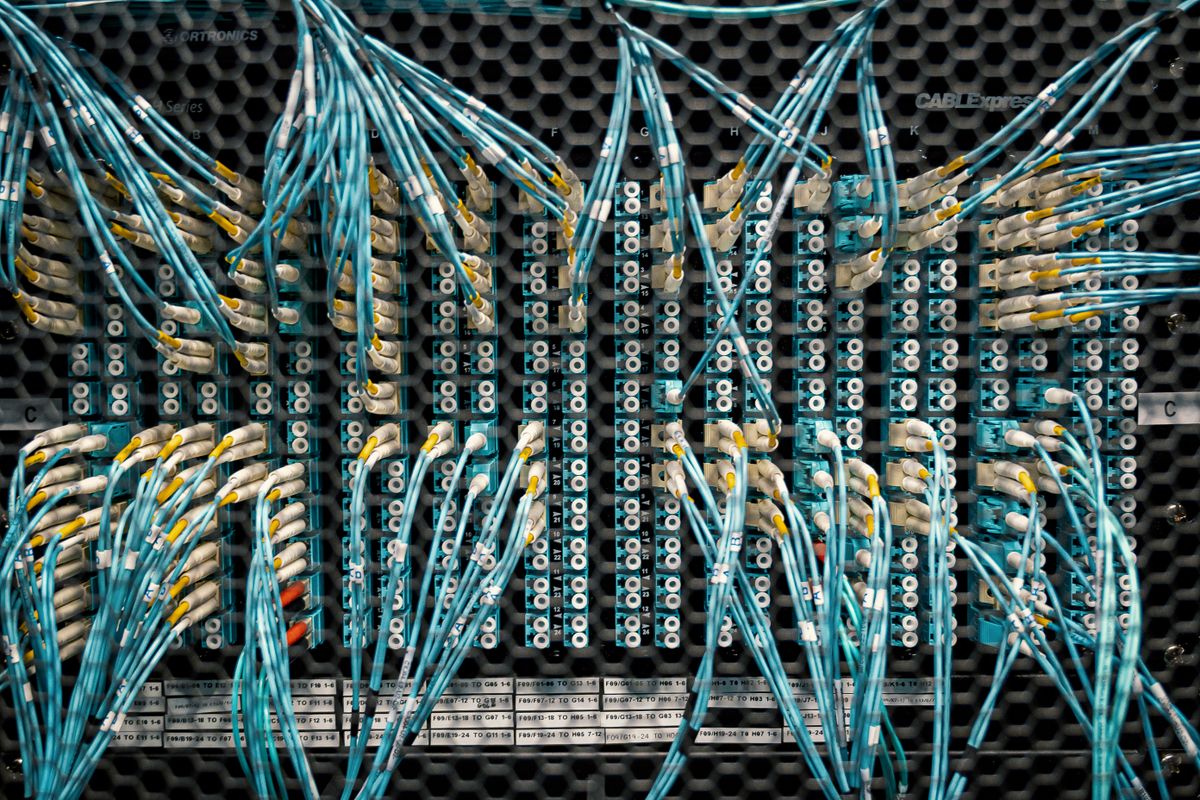
Photo: Brett Sayles on Pexels
You don't need to replace what works. Most UAE SMEs run inventory on Odoo, Zoho Inventory, QuickBooks, or a custom ERP, and a well-built agent connects through API or webhook. It reads live stock data and pushes alerts without becoming the new system of record.
WhatsApp Business API is the delivery layer that matters here. Alerts land on the operations manager's phone in Arabic or English, on the same channel the team already uses with suppliers and customers. No new app to check, no separate login.
The same integration layer that carries stock alerts can also power order status enquiry agents so customers stop asking your team where their delivery is. The broader picture of how these agents fit into your wider back-office setup sits in the operations and admin automation guide.
The Real Cost of Getting the Alert Late: Framing It in AED
A 2023 IHL Group report found the annual global cost of inventory distortion, both stockouts and overstock, could be as high as $1.77 trillion. Scale that down to your business and the number still stings. For UAE retailers and distributors running on thin margins, every avoidable stockout is money you were never going to see again.
Overstock is not just a warehouse problem. Capital sitting in slow-moving inventory is capital you can't put against trade credit, licence renewals, or your quarterly VAT liability. That constraint is what makes late alerts so expensive here specifically.
A stockout is not one missed sale. It's the customer who messages your competitor next, posts in a local business group, and doesn't come back.
Against those losses, initial inventory automation AI deployments in the AED 10,000 to 50,000 band cover most focused builds, with deeper integrations landing in the AED 50,000 to 200,000 range. The audit trail the agent creates as a side effect also serves the record-keeping requirements covered in compliance automation, so one investment does two jobs.
Not sure whether the numbers work for your setup? Book a free 30-minute call and we'll look at your inventory data and tell you honestly whether an agent would pay for itself.
Where UAE Businesses Start: From First Alert to Running Agent
Pick one high-velocity product category first. Export your sales and stockout history, set baseline reorder points manually, and use those as a benchmark. If the AI can't match or beat what you set by hand, something is wrong with the data or the model.
Run the agent in shadow mode next. Alerts fire, but no autonomous purchase orders are placed. This is where the operations team calibrates thresholds, corrects the misfires, and builds trust in the signals. Skipping this step is how businesses end up ignoring alerts entirely within a month.
Build the agent and train the team in parallel. An inventory automation AI setup your team doesn't understand will get bypassed, and bypassed automation returns nothing.
An honest close: a structured conversation is the right first step. Book a free 30-minute consultation and we'll look at your current inventory setup, what systems are already in place, and whether the business case actually holds. If it doesn't, we'll tell you.
FAQ
What is the difference between an inventory AI agent and a standard inventory alert system?
A standard system fires when a fixed threshold is hit and waits for a human to act. An agent watches thresholds continuously, updates them as supplier lead times or demand rates shift, and recommends the next action rather than just describing the current state.
Can an inventory agent send alerts in Arabic and English directly on WhatsApp?
Yes. Using the WhatsApp Business API, a well-built agent sends bilingual alerts to different recipients from the same trigger, so the supplier receives an Arabic message while the warehouse manager gets English on their phone.
How much historical sales data does an AI agent need before its reorder predictions become reliable?
Twelve months is a workable minimum for products with steady demand, and closer to 18 months if your category has strong seasonal swings like Ramadan or Dubai Shopping Festival. Thinner data means a longer shadow-mode period before you can trust the agent to act.
Will an inventory automation AI agent connect to the ERP or accounting software we already use in Dubai?
For most common platforms, yes. Odoo, Zoho Inventory, and QuickBooks all expose APIs an agent can read from. Custom ERPs usually need a lightweight integration layer, which is a scoping question before any build starts.
What happens if the agent recommends a reorder and the demand forecast turns out to be wrong?
In shadow mode, nothing: the human on the alert makes the call. Once the agent is trusted with autonomous action, you set limits like a maximum reorder value per event or approval thresholds above a certain quantity, so a bad recommendation cannot become a large exposure.
Does the stock data an inventory agent processes fall under Federal Decree-Law No. 45 of 2021 and the UAE Data Office's rules?
Product stock levels on their own are not personal data. But if the agent ingests customer order history to inform demand forecasts, that data does fall under PDPL, and you need lawful basis, retention limits, and appropriate security in place.
How do we handle inventory alerts across a free zone warehouse and a mainland store at the same time?
The agent treats each location as a separate stock node, with its own reorder points and lead times, while sharing demand signals across the network. Alerts route to the right team based on which node is affected.