

Your team just answered "where is my order?" for the eleventh time this morning. Same copy-pasted reply, same tracking link, different customer. Order status automation ecommerce workflows exist precisely because this loop is eating small UAE teams alive.
This article covers what these systems do, why WhatsApp must come first in the UAE, the numbers once live, and the PDPL questions to answer before signing a vendor contract.
Key Takeaways
- WISMO can be 20 to 40% of tickets — It also drives up to 50% of inbound calls. On a five-person UAE store, two people spend most of a shift copying tracking numbers into WhatsApp replies, while disputes, returns, and wholesale queries get pushed to tomorrow.
- Automation cuts WISMO tickets by about 80% — Response time drops from 12 to 18 hours to instant, cost per ticket falls under one dollar, and post-purchase CSAT climbs from 70% to above 90%.
- WhatsApp, not email, is where UAE customers message — Skipping WhatsApp and native Arabic and Arabizi handling means automating the wrong queue. A customer left waiting three hours will call, DM Instagram, or leave a bad review instead of checking their inbox.
- PDPL covers order data an AI agent reads — Federal Decree-Law No. 45 of 2021 requires limiting agent access to only necessary fields, keeping logs only as long as disputes require, and signing a data-processing agreement with the vendor. DIFC and ADGM stores face added rules.
- Start with WISMO only, then expand — A single WhatsApp channel tied to one order system typically costs AED 10,000 to 50,000. Teams that launch four flows at once ship none of them well.
The WISMO Drain: Why Repetitive Queries Hit UAE Teams Hard
WISMO queries can consume 20 to 40% of ecommerce support tickets and up to 50% of inbound calls. On a five-person UAE store, that is two people spending most of their shift copying tracking numbers into WhatsApp replies.
Your channels are not separated the way a US team's are. Two or three operators handle WhatsApp, Instagram DMs, email, and phone at once. When WISMO takes a bite out of every queue in parallel, the harder work, disputes, returns, wholesale enquiries, gets pushed to tomorrow.
Then there is the language layer. A single WhatsApp thread might open in English, switch to Arabic mid-conversation, and finish in Arabizi ("wenak el order?").
Copy-paste scripts fall apart on the second message. Every reply becomes a small custom effort.
A UAE customer who does not get a status reply on WhatsApp in a reasonable window does not assume you are busy. They assume something is wrong with the order.
That reading is emotional, and it drives complaints that would never have existed if the answer had arrived in ten seconds. Complaint triage is a separate discipline, covered in our guide to handling complaints in Arabic and English within minutes.
Deloitte Middle East publishes regional research on how AI adoption is actually landing across GCC sectors.
What Order Status Automation Actually Does
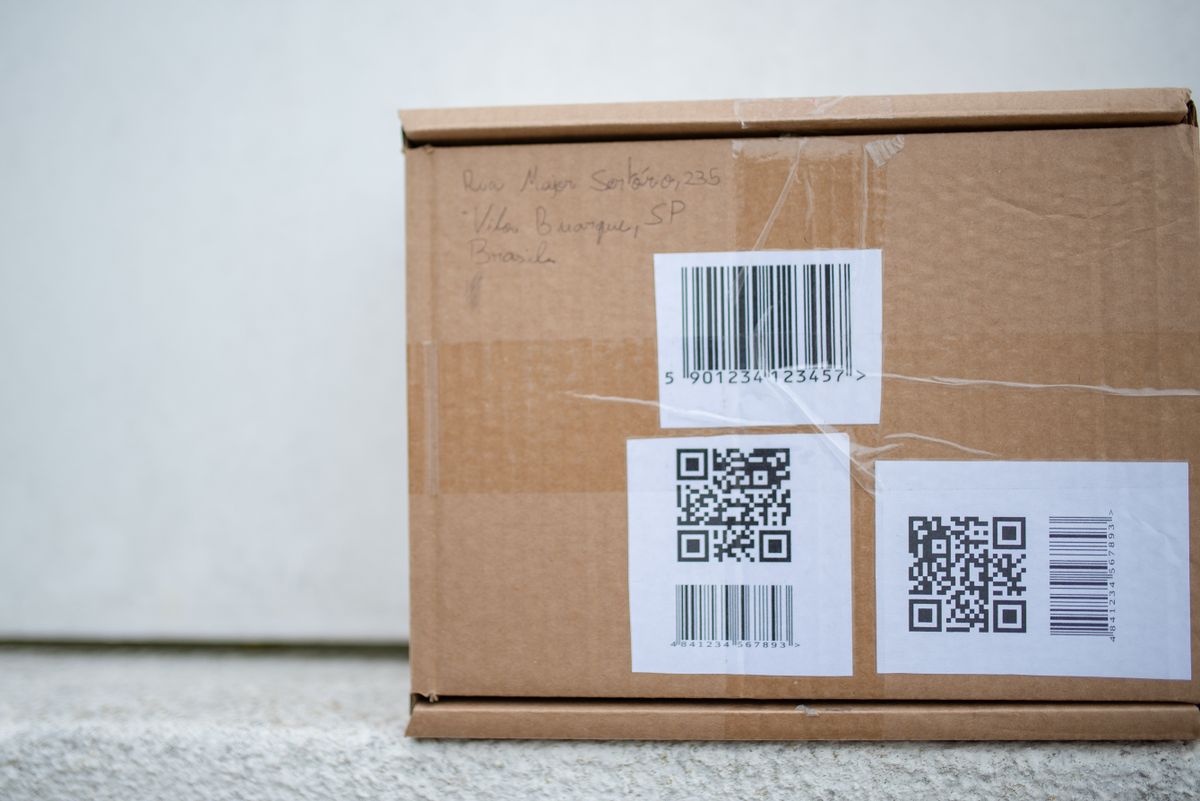
Photo: Kampus Production on Pexels
An AI agent connects to your order management system or ecommerce platform, reads the current status of a specific order in real time, and replies to the customer on the channel where they asked. No human opens a tab. No one copies a tracking link.
The agent identifies the customer through the order number, phone, or name on the message, matches the record, and responds in the language used. When the order is delayed, returned, or the message carries frustration, the agent hands the conversation to a person instead of firing a hollow reply into a bad situation.
This is not a FAQ bot. A FAQ bot reads back static answers written six months ago. Order status automation queries live data and responds to the state of one specific order at one specific moment.
The distinction matters because 96% of consumers actively track their orders until delivery, per Shopify research. Customers are already checking; automation meets them there.
Why WhatsApp Must Be the Starting Point
Build order status automation that skips WhatsApp and you have automated the wrong queue. In the UAE, WhatsApp is where customers actually contact stores. Email is where they receive receipts and forget about them.
A customer who messages your WhatsApp number and waits three hours will not check their inbox for a status update. They will call. They will DM your Instagram.
They will post a one-star review or tell friends the store is unreliable. None of those outcomes show up as a support ticket, which is why teams that measure only ticket deflection miss the damage.
Bilingual handling is the second non-negotiable. A UAE customer might write "my order?", "وين طلبي؟", or "wenak el order?" in the same thread.
The agent has to understand intent natively in Arabic, not through a translation layer that flattens tone. Order status is one flow inside a broader post-purchase journey, and our guide to WhatsApp AI agents for ecommerce walks through the flows that convert.
If WhatsApp is scheduled as the second or third channel to connect, reverse the order.
Private schools and training institutes in Dubai are regulated by the Knowledge and Human Development Authority.
What the Numbers Look Like After You Automate
Published benchmarks put average WISMO tickets down by around 80%, cost per ticket under one dollar, response time from 12 to 18 hours down to instant, and post-purchase CSAT climbing from 70% to above 90%. These are outcomes reported when the flow is properly connected to live order data.
Ground that in a scenario. A store handling 10,000 support messages a month where roughly 30% are "where is my order?" queries is answering about 3,000 tracking questions manually.
Reclaiming most of those hours does not mean firing anyone. It means the same team has time for the disputes, returns, and retention conversations that need real judgment.
Be honest with yourself. If your fulfilment is genuinely slow, automation delivers the bad news faster and more politely but does not make the parcel arrive sooner.
Side by side, the shift shows up in every metric that matters.
| Metric | Before Automation | After Automation |
|---|---|---|
| WISMO ticket volume | 20 to 40% of support tickets | Cut by around 80% |
| Response time | 12 to 18 hours | Instant |
| Post-purchase CSAT | 70% | Above 90% |
| Staff time | Spent copying tracking links | Freed for disputes and returns |
How a Working Setup Fits Into a UAE Store

Photo: Antoni Shkraba on Pexels
Step through it in plain terms. First, connect the AI agent to wherever the order data lives, Shopify, WooCommerce, or a local OMS. Second, define the WhatsApp trigger so an inbound order message routes to the agent.
Third, configure language detection so replies come back in the language the customer used. Fourth, set escalation rules so delayed or disputed orders reach a human quickly.
Nothing gets ripped out. The AI layer sits on top of your existing order system and reads from it. Stores fearing a six-month rebuild should hear that clearly: most vendors sell that scope when a lighter integration ships in weeks.
Bilingual handling is where implementations most often cut corners. A translation plugin that pipes Arabic to English, processes the query, and translates back reads wrong to native Arabic speakers.
The agent needs to understand intent in Arabic directly. Our complete guide to AI automation for ecommerce in the UAE maps how these pieces fit together.
For a broader primer on phasing in AI without a rip-and-replace project, our getting started with AI in Dubai piece is a useful companion read.
The World Health Organization has published guidance on ethics and governance of AI for health that clinical deployments are measured against.
Customer Data and PDPL: What UAE Stores Must Get Right
Federal Decree-Law No. 45 of 2021, the PDPL, applies to any system that processes personal data for UAE residents. Order data, the customer's name, phone, delivery address, and purchase history, is personal data.
The moment an AI agent reads that data to answer a status question, PDPL is in scope. This is not softened by the fact that the agent is automated rather than a human.
If your store holds a DIFC or ADGM licence, those jurisdictions run their own data regimes on top of the federal law. Both need review with counsel before you plug a third-party vendor into your order system, especially if data is processed outside the UAE.
The practical requirements come down to three things. The agent should access only the fields it needs, not the full customer record. Conversation logs should be retained for the shortest period that still lets you handle disputes.
The vendor should sign a data-processing agreement covering where data is stored, who can access it, and what happens when the contract ends. The same principles apply if you use order history to re-engage customers who have stopped buying, a separate consent question covered in our guide to working the dormant list every online store is sitting on.
Where to Start: Narrow the Scope
Automate WISMO first. Not returns, upsells, or complaint triage.
One flow, at high volume, proven for a month, then expand. Teams that launch four flows at once ship none of them well.
Check the data before you buy anything. If your order system cannot reliably export a clean status field, no AI agent will paper over that. Ask your ops lead to pull a sample of the last hundred orders and confirm every one carries an accurate status.
Set budget expectations honestly. A first order status automation build for a single WhatsApp channel connected to one order system typically sits inside the AED 10,000 to 50,000 range.
Multi-storefront setups, or stores with several fulfilment partners feeding different status data, sit in a higher band. Anyone quoting less has likely scoped out the escalation logic and bilingual handling that make the difference.
If you want a second opinion, book a free 30-minute consultation and we will tell you honestly whether order status automation makes sense for your store, including if it does not.
FAQ
Does order status automation work with WhatsApp, or only email and website chat?
WhatsApp should be the first channel connected. In the UAE, most order queries arrive there and a delayed WhatsApp reply does more damage than a delayed email. Any vendor treating WhatsApp as a phase-two integration is scoping the project wrong.
Can the AI handle Arabic as well as English, including mixed-language messages?
Yes, when built to understand intent natively in Arabic rather than routing through a translation layer. Customers often switch languages mid-thread or write in Arabizi, and translation-based systems handle those cases poorly.
At what monthly volume does automation start to make financial sense?
Once WISMO consumes a meaningful share of one person's time. WISMO can account for 20 to 40% of tickets, so most stores past a few hundred orders a month cross that line. The real question is whether reclaiming those hours goes to work you need done.
Does automating order status comply with UAE's PDPL?
It can, provided the setup respects PDPL requirements: limiting agent access, keeping logs only as long as needed, and running the vendor under a proper data-processing agreement. DIFC and ADGM stores have additional obligations needing legal review.
Will we need to replace our existing OMS or ecommerce platform?
No. The AI agent sits on top of your existing system and reads from it. If a vendor proposes replacing your OMS or platform to make this work, the scope is wrong and the cost will be a multiple of what it needs to be.
What happens when a customer's order has genuinely gone wrong?
The agent should escalate to a human the moment a query stops being a routine status check. Delayed orders, damaged deliveries, or frustrated messages need judgment the bot should not attempt. Complaint handling is a related but separate discipline, and building it as a distinct flow is the right call.


