

A shipper in Jebel Ali sends a WhatsApp voice note at 9 pm asking for a rate on a 40-foot container to Rotterdam. By 9 am the next morning, three of your competitors have replied. Your ops lead opens the phone at 9:15, forwards the message to sales, and by the time someone opens a rate card the booking is gone.
The kind of quote automation logistics companies actually need starts at the intake step, not at the rate calculation step everyone else keeps optimising. The failure is upstream of the quoting tool.
Key Takeaways
- Lost RFQs, not slow quotes, is the problem — A WhatsApp RFQ sent at 9 pm can draw three competitor replies by 9 am, while an unmonitored inbox means the enquiry isn't even opened until morning triage the next day.
- Every RFQ channel feeds one automated queue — The intake layer pulls WhatsApp, email, web form and phone into one queue, and the parsing layer extracts fields such as origin, destination, commodity, weight, volume, Incoterms and target date from messages in Arabic, English or a code-switched mix.
- Manual quoting misses margin, rate and surcharge accuracy — Reps miss surcharges, price off last month's rate sheet, misapply markup on a lane they quote once a quarter, or default to a favoured carrier out of habit; live carrier comparison and standardised margin rules close all three gaps.
- Value comes from linking quotes to booking — Once a quote is accepted, the system should fire a structured document request, track outstanding items like the commercial invoice, packing list, Bill of Lading, trade licence, Emirates ID or VAT certificate, chase the client automatically, and hand off to booking as one loop with no manual handoffs.
- Generic quoting platforms fail four UAE-specific tests — International platforms rarely parse Arabic or Arabizi, treat WhatsApp as an afterthought, skip bilingual output, and don't preload UAE-specific costs like free-zone surcharges and DP World handling fees, on top of which customer data falls under the PDPL, in force since 2 January 2022.
The RFQ Your Team Never Saw
The dominant failure in UAE freight sales is not a slow quote. It is a missed one. When a shipper messages your company WhatsApp number at 9 pm, that message sits until someone triages it the next morning.
In that window, the same shipper has messaged four other forwarders. The fastest reply with a credible number wins.
Manual triage across WhatsApp, email, phone and the odd web form means RFQs fall through the cracks before anyone opens a rate card.
For our broader stack, our complete guide to AI automation for logistics and freight companies in the UAE walks through every workflow that sits alongside quoting.
The Ministry of Human Resources and Emiratisation publishes the labour laws and regulations that any HR automation has to work inside.
What RFQ Intake and Quote Automation Actually Does
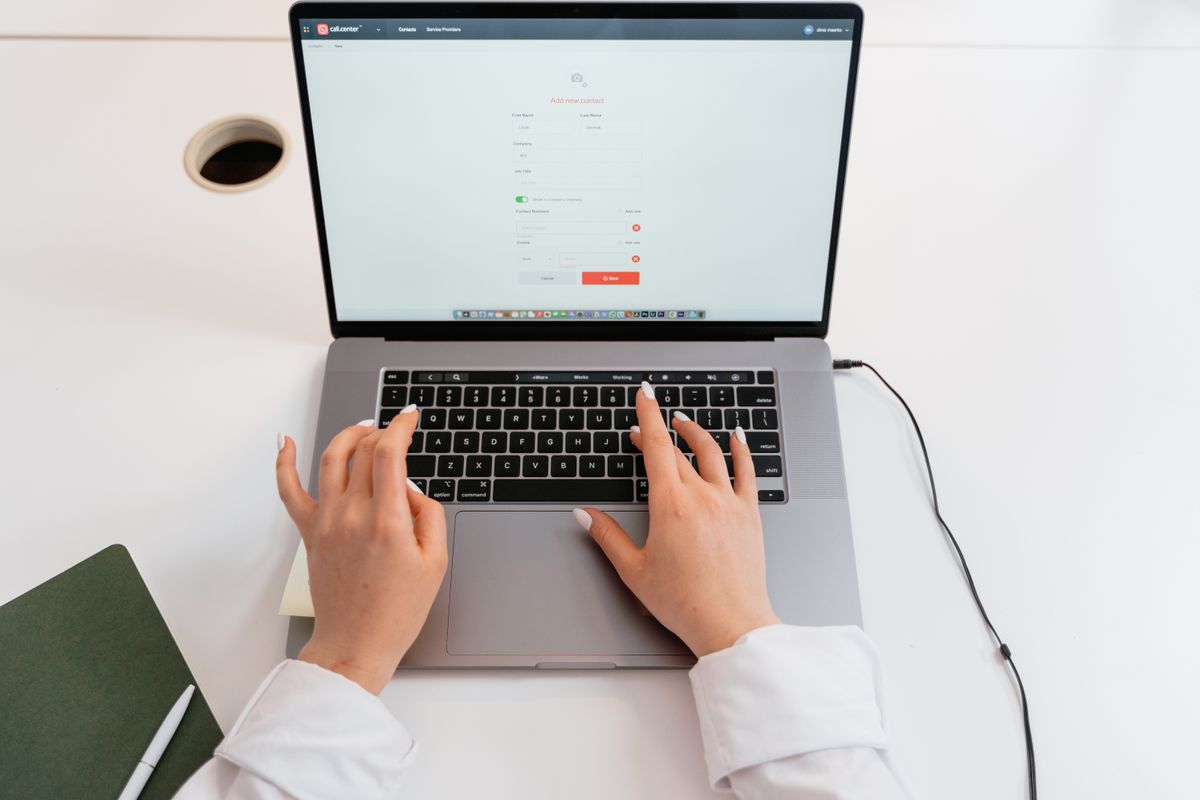
Photo: MART PRODUCTION on Pexels
Quote automation for logistics companies is a connected pipeline of four steps, not a single tool. Skip any one and the system leaks.
The intake layer captures every incoming enquiry from every channel: WhatsApp, email, web form, phone transcript, into one queue. No manual sorting, no forwarding chains.
The parsing layer extracts shipment fields from unstructured messages: origin, destination, commodity, weight, volume, Incoterms, target date. A message like "AED rate for 2 pallets DXB to Riyadh, DAP, ~800 kg, need Tuesday" becomes six clean fields, not free text a rep has to re-type.
The quote generation layer pulls from contracted rates, spot rates and carrier tariffs in one place, applies your margin rules and produces a formatted quote.
The dispatch layer sends the quote back on the channel the client used, logs the interaction against the customer record, and triggers a follow-up if no reply arrives inside a set window.
Why Generic Quote Tools Fail UAE Freight Forwarders
Off-the-shelf freight quoting software assumes RFQs arrive in English by email from a procurement inbox. UAE reality is different in four ways.
Customers write in Arabic, English and Arabizi. A shipper might send "السلام عليكم, need FCL rate Jebel Ali to Mumbai, 40HC, ready Thursday inshallah." A parser trained on English email cannot handle that.
WhatsApp is the primary customer channel here, and international platforms treat it as an afterthought or leave it disconnected entirely. Without a live WhatsApp connection, you are back to manual triage.
Bilingual output is a routine requirement. A Dubai forwarder quotes an English shipper on Monday and an Arabic trader on Tuesday from one platform.
UAE-specific surcharges, free-zone handling fees and local carrier tariffs are almost never pre-loaded in international platforms. The moment your logic hits a DP World handling fee or a free-zone surcharge, the pricing engine breaks or spits out numbers your ops team overrides manually.
Population and business-count figures for the emirate come from the Dubai Statistics Center rather than from vendor market reports.
Building the Bilingual, WhatsApp-First Intake Layer
The intake layer is where UAE freight automation is won or lost.
WhatsApp is the primary intake channel and needs a live connection, not screenshot-and-forward. The system reads incoming messages, identifies them as RFQs versus tracking questions versus complaints, and routes them without human triage. For a deeper treatment, our guide to running logistics and freight enquiries on WhatsApp with an AI agent covers the full agent design.
Arabic and English natural-language parsing runs on every incoming message, including code-switched ones where both languages appear in the same line. Fields come out clean regardless of which language named them.
Email triage runs in parallel. A shared inbox with 200 unread messages hides RFQs just as effectively as an unmonitored WhatsApp number. Our piece on the shared inbox problem in logistics and freight, and the AI triage that solves it covers that failure mode directly.
Whatever channel an RFQ arrived on, the output is the same: a structured record with clean fields, ready to price.
Accuracy, Margins and Carrier Rate Management

Photo: RDNE Stock project on Pexels
Manual quoting drifts. Reps miss surcharges, use last month's rate sheet, apply the wrong markup on a lane they quote once a quarter, or default to a preferred carrier out of habit. Industry write-ups describe manual quotes as prone to human error, missing surcharges, using outdated rates or applying the wrong markup, which matches what most UAE ops leads see every week.
Standardised margin rules mean the same calculation runs on every quote. Percentage margin by lane, minimum absolute margin per shipment, customer-tier adjustments: whatever your commercial policy is, it applies automatically instead of living in one senior rep's head.
Live carrier comparison surfaces the cheapest and fastest option per lane, not the one your senior rep has a relationship with.
Every quote logs the rate snapshot used, the surcharges applied and the margin calculated.
If you want a second pair of eyes on the pricing logic you run today, a free 30-minute consultation is a low-friction way to get one.
The same ministry sets the consumer protection rules that apply to automated sales contact just as they do to a human sales team.
Quote Sent, Now the Document Collection Starts
The moment a quote is accepted, the document scramble begins: commercial invoice, packing list, Bill of Lading draft, plus a trade licence copy, Emirates ID or VAT certificate depending on lane. Without automation, those documents dribble in as WhatsApp photos, email attachments and scanned PDFs, and the shipment sits waiting.
A connected system fires a structured document request the instant a quote is accepted. It knows which documents this specific lane and shipment type need, tracks what is outstanding, and chases the client on the channel they already use. For the full workflow, our piece on document chasing automation for logistics and freight companies covering Emirates ID, trade licence and the rest walks through what a good chaser looks like.
The point is closure. RFQ intake, quote, document collection, booking: one loop, no manual handoffs, no shipment stalled because someone forgot to ask for a packing list.
Scoping Quote Automation for a UAE Freight Business
Start with an intake audit. Map every channel an RFQ can arrive on today: office WhatsApp, rep personal WhatsApp numbers, the info@ inbox, individual rep inboxes, the web form, the phone. Count how many are actively monitored, how many have any triage discipline, and how many enquiries you cannot trace at all.
That gap, not the speed of your existing quote engine, is the number that justifies the project.
Budget realistically. A narrower single-channel automation like WhatsApp intake plus a basic quote generator typically scopes in the AED 10,000 to 50,000 band. A connected system covering multi-channel intake, bilingual parsing, quote generation and document collection sits in the AED 50,000 to 200,000 band.
Anything advertised significantly cheaper is a plugin, not a system.
Ask the compliance question before you sign. Customer shipment data and rate data fall under Federal Decree-Law No. 45 of 2021, the UAE Personal Data Protection Law, in force since 2 January 2022.
Confirm that any vendor stores and processes data on infrastructure compatible with PDPL, and that data residency is documented in the contract.
If you want to see where your RFQ pipeline loses enquiries before you spend a dirham on tooling, book a free 30-minute consultation. We map your intake channels, show you where enquiries drop out today, and give you an honest read on what automation makes sense for your freight business, and what does not.
The budget band scales with how many channels and steps the automation actually covers.
| Scope | What it covers | Typical budget |
|---|---|---|
| Single-channel automation | WhatsApp intake plus a basic quote generator | AED 10,000 to 50,000 |
| Connected system | Multi-channel intake, bilingual parsing, quote generation, document collection | AED 50,000 to 200,000 |
| Anything cheaper | Advertised as a full system but scoped like a plugin | Not a system |
FAQ
How is RFQ intake automation different from a standard freight quoting tool?
A standard quoting tool assumes the enquiry already sits in a structured form in front of a rep. Intake automation captures the enquiry from WhatsApp, email or phone first, parses it into clean shipment fields, then hands it to the quote engine. Skip the intake layer and enquiries are lost upstream of the tool you paid for.
Can the system read WhatsApp messages in Arabic and generate a quote automatically?
Yes, if built for the UAE market. The parser has to handle Arabic, English and code-switched messages, extract shipment fields, and either generate the quote or draft one for a human to approve. Global platforms rarely do this well.
Will automating quotes change how my sales team handles client relationships?
It shifts what your team spends time on. Reps stop re-typing shipment details from WhatsApp and chasing their own inbox, so they spend that time on negotiation and relationships.
What UAE data protection rules apply to an automated quoting system?
Federal Decree-Law No. 45 of 2021, the UAE Personal Data Protection Law, applies from 2 January 2022 and covers personal data you process on customers. Ask any vendor where data is stored and how deletion and access requests are handled.
How much does quote automation cost for a UAE logistics or freight company?
A single-channel automation like WhatsApp intake plus a basic quote generator typically scopes at AED 10,000 to 50,000. A connected system covering multi-channel intake, bilingual parsing, quote generation and document collection sits in the AED 50,000 to 200,000 band.
How long does it typically take to implement RFQ and quote automation for a freight forwarder in Dubai?
A narrow single-channel build is usually live in a few weeks. A connected system covering intake, quoting and document handoff runs longer, so plan a phased rollout: intake first, quote engine second, document loop third.
Does quote automation connect to document collection and shipment booking downstream?
It should. A quote engine that dead-ends at "quote sent" leaves the biggest gains on the table. When a quote is accepted, the system should fire a structured document request, track what is outstanding, and hand off cleanly to booking.


