

A guest in Dubai Marina opens WhatsApp at 11:40 pm, asks about a table for six on Friday, and expects a reply before they finish their next scroll. If your restaurant answers in the morning, that booking is already sitting in someone else's diary. This is the real shape of restaurants appointment booking automation in the UAE: an agent in the channel guests actually use, in the language they actually write.
This article covers where UAE bookings break, what an AI agent does that a form can't, how the WhatsApp flow reads, and what UAE outreach rules mean for reminders.
Key Takeaways
- UAE guests book on WhatsApp, not widgets — Reservation requests that land after close sit unanswered until the host is back on the floor, and by then the guest has picked a restaurant that replied. The fix is answering guests where they already message, not redirecting them to a web form.
- Bilingual handling is the Dubai booking baseline — Guests write in Arabic, English and Arabizi, sometimes mixed in one message. An agent that defaults to English the moment it sees Arabic characters loses the guest at the first reply, and confirmations should go out in the language the guest used to book.
- DNCR breaches carry fines up to AED 150,000 — Cabinet Resolutions 56 and 57 of 2024 set an outreach window of 09:00 to 18:00 and require locally registered numbers. First, second and third Do Not Call Registry breaches cost AED 50,000, AED 75,000 and AED 150,000 respectively, so reminders need consent and compliance built in.
- Automation adds capacity, it doesn't replace staff — The agent absorbs repetitive reservation volume, after-hours messages and standard modifications, freeing front-of-house staff for in-restaurant service and the bookings that genuinely need a human.
- Custom agents cost more but own the conversation — Generic reservation SaaS runs $99 to $389/mo and covers scheduling and reminders. A custom AI agent runs AED 10,000 to 50,000 for a focused build, or AED 50,000 to 200,000 for deeper integrations, sits on the restaurant's own WhatsApp number, and plugs into the existing POS or reservation system.
Where UAE Restaurant Bookings Actually Break Down
Bookings are not lost at the widget. They are lost in the inbox nobody watched at 11 pm. UAE guests message on WhatsApp and expect a reply within minutes; a phone queue or unread message overnight is a cover handed to the restaurant down the road.
The after-hours dead zone is the most expensive. Reservation requests that land between service close and the next morning sit unanswered until the host is back on the floor. By then the guest has picked somewhere that replied.
The second failure is human. Front-of-house staff answering DMs during service are doing admin that belongs on the floor, and every Dubai F&B operator recognises the tension.
The booking form on your website is not the problem. The channel mismatch is: guests reach out where they already are, and most restaurants are set up to respond somewhere else.
The World Health Organization has published guidance on ethics and governance of AI for health that clinical deployments are measured against.
What an AI Booking Agent Does That a Widget Can't
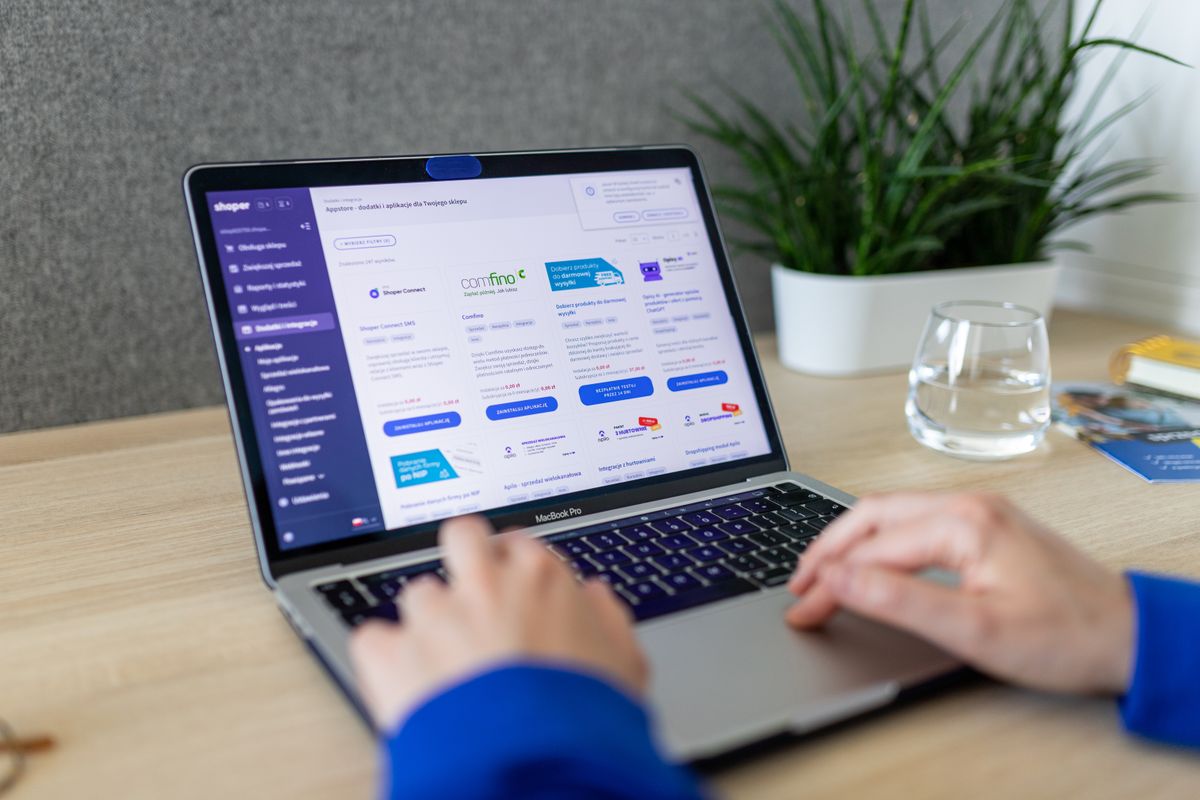
Photo: Shoper .pl on Pexels
A booking widget waits. It sits on a page hoping the guest finds it, opens it, and finishes it. An AI agent responds inside the channel the guest already opened: WhatsApp, an Instagram DM, or your website chat.
The agent runs the full conversation. Date, time, party size, dietary notes, occasion, confirmation, calendar entry.
No staff member has to touch it, and nothing about the exchange feels like filling out a form. Modifications and cancellations flow through the same thread, cutting the last-minute phone calls that pull hosts away from guests already at your tables.
One leading reservation platform markets a virtual assistant that handles guest messages in any language, 24/7. A custom AI agent applies the same idea to the channel UAE guests actually use: WhatsApp, on your restaurant's own number, with your tone.
The WhatsApp Booking Flow UAE Guests Already Expect
WhatsApp is the primary customer channel in the UAE, and a guest who messages and gets an instant reply is more likely to complete the booking than one redirected to a web form. Instant, in-thread confirmation is the shortest path to a confirmed cover.
The flow is straightforward. Guest sends a message. The agent confirms date, time and party size.
A booking summary comes back with a confirmation prompt. A reminder is scheduled. The reservation is logged in one place, visible to the whole team.
No host in the loop. The design work behind that conversation, the intent handling, fallback paths, and escalation to a human when the request is genuinely unusual, is a topic in itself, and we cover the specifics in WhatsApp AI Agents for Restaurants: The Flows That Actually Convert.
Routing every WhatsApp enquiry into a single booking log kills the double-bookings that happen when messages arrive across three phones, two managers and an iPad nobody checked.
Bilingual Handling: Arabic, English, and Code-Switching in One Conversation
UAE guests write in Arabic, English, and Arabizi, sometimes all three inside a single message. An agent that defaults to English the moment it sees Arabic characters loses the guest at the first reply. That is table stakes for a Dubai booking flow.
A properly trained agent detects language mid-conversation and answers in kind, without asking the guest to restart or switch channels. Confirmations and reminders go out in the same language the guest used to book, which lifts show-up rates because nobody misreads their own booking.
Clinics licensed in Dubai answer to the Dubai Health Authority for how patient information is collected, stored and communicated.
No-Show Reduction Without Manual Follow-Up
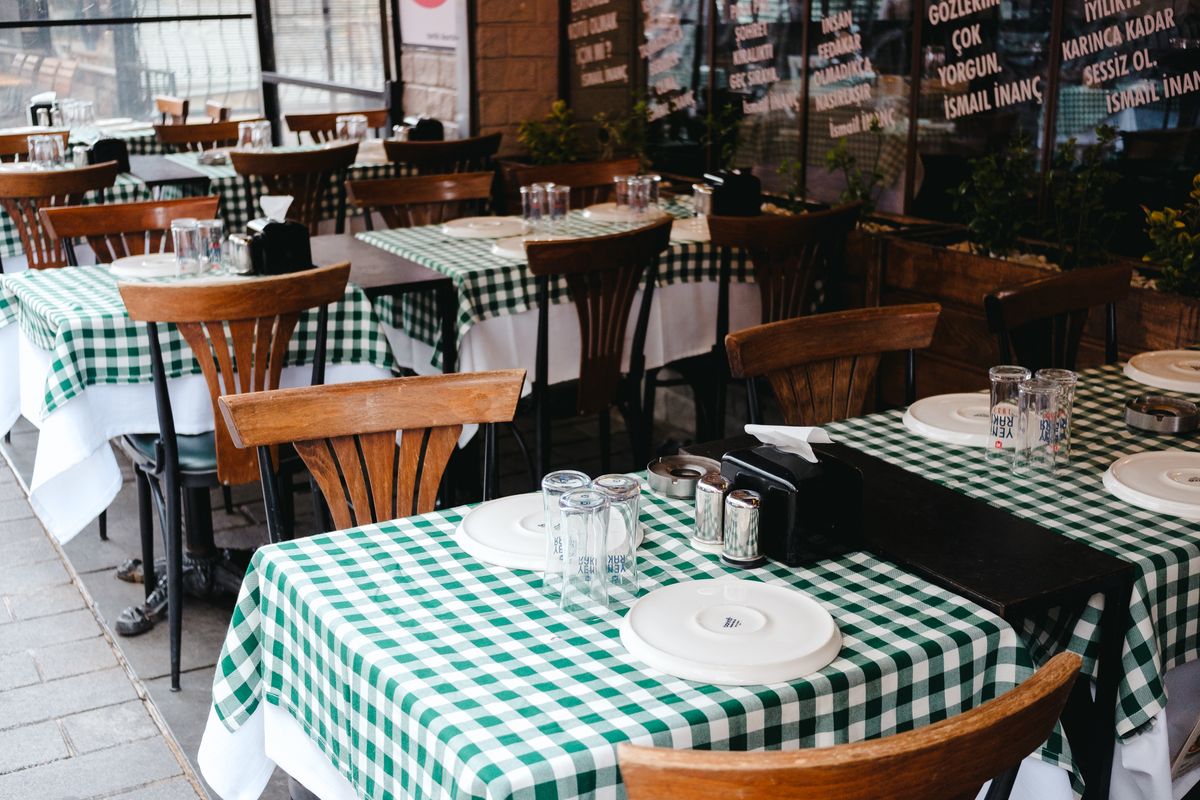
Photo: Markus Winkler on Pexels
Reminders work. A leading platform positions automatic email and SMS reminders as a core feature because they cut no-shows: nudge the guest at the right moment and more turn up.
What UAE restaurants get wrong is the channel. The reminder should go out on WhatsApp, the same thread the booking came in on, because that is the inbox the guest actually opens.
An AI agent handles that automatically. The reminder fires at the right lead time, in the right language, with a one-tap option to confirm, modify or cancel.
Cancellations coming back through that thread deserve a graceful path, and sometimes an escalation to a human, particularly if the guest is unhappy. The escalation logic itself is worth designing deliberately, and we walk through the pattern in The Escalation Design That Keeps Restaurants & F&B Customers From Walking.
UAE Data and Outreach Rules Every F&B Operator Must Know
Two frameworks matter. Federal Decree-Law No. 45 of 2021, the PDPL, requires a lawful basis to collect and store guest data: name, phone number, dietary notes, occasion, anything the agent captures during a booking.
Consent at the point of booking is the cleanest basis, and a well-designed flow captures it inside the same message thread, not on a separate form nobody reads.
Then there is outreach. Cabinet Resolutions 56 and 57 of 2024, effective 27 August 2024, set the rules for outbound messaging in the UAE: TDRA prior approval where required, locally registered numbers, DNCR checks, and an outreach window of 09:00 to 18:00.
The fines make it concrete. First, second and third DNCR breaches carry penalties of AED 50,000, AED 75,000 and AED 150,000 respectively. That is the compliance cost of a badly designed reminder sequence.
The safer design is simpler. Capture consent at booking, route follow-up through the same channel the guest initiated, and keep marketing on a separate opt-in track that respects the DNCR and outreach window.
Scoping the Right Booking Automation for Your Restaurant
Two paths, and the answer depends on what you already run. Generic reservation SaaS is fine for scheduling.
Eat App's published plans, for example, run from $99/mo at the entry tier to $389/mo on annual billing, and cover reservations, table management and reminders. What they do not deliver out of the box is a conversational WhatsApp agent on your own number with bilingual handling designed for Dubai.
A custom AI agent is the other route. It sits on your restaurant's WhatsApp number, integrates with the POS or reservation system you already use, and owns the guest conversation end-to-end.
UAE restaurant automation projects fall in one of two bands: AED 10,000 to 50,000 for a focused build, or AED 50,000 to 200,000 for deeper integrations, more channels, and team training. Scope decides which band.
For the full decision framework, see AI Automation for Restaurants in the UAE: The Complete Guide, and once booking is live, the next system to layer on is AI-assisted review responses.
If you want an outside read on which route fits your restaurant, book a free 30-minute consultation with Lenoo AI. We'll look at your volume, channels and current setup, and give an honest recommendation.
The two paths come down to what each one actually delivers, which makes the trade-off easier to weigh.
| Factor | Generic Reservation SaaS | Custom AI Agent |
|---|---|---|
| Core function | Scheduling, table management, reminders | Owns guest conversation end-to-end |
| Channel | Web booking widget | Your restaurant's own WhatsApp number |
| Language handling | Not bilingual by default | Arabic, English, code-switching |
| Typical cost | $99/mo to $389/mo | AED 10,000 to 200,000 depending on scope |
| Integration | Standalone reservation system | Plugs into your existing POS or reservation system |
FAQ
Can an AI booking agent handle reservation requests in both Arabic and English on WhatsApp?
Yes. A properly built agent detects language mid-conversation and answers in kind, including code-switched messages that mix Arabic, English and Arabizi. Confirmations and reminders go out in the language the guest used.
What happens when a guest wants to change or cancel a booking through the AI?
The same thread handles it. The guest messages the change, the agent updates the reservation, sends a fresh confirmation, and re-schedules the reminder. Genuinely unusual requests, or unhappy guests, escalate to a human.
How do automated booking reminders stay compliant with UAE Cabinet Resolutions 56 and 57 of 2024?
Reminders tied to a confirmed booking are transactional messages, a different category from unsolicited marketing. Consent is captured at booking, outreach uses a locally registered number, and marketing runs on a separate opt-in track respecting the DNCR and outreach window.
What does it cost to set up restaurant booking automation in the UAE?
Off-the-shelf reservation SaaS starts around $99/mo at the entry tier and reaches $389/mo on the top annual plan. A custom AI agent typically falls in the AED 10,000 to 50,000 range for a focused build, or AED 50,000 to 200,000 for deeper integrations and training.
Will automating reservations replace our front-of-house team?
No. It absorbs repetitive volume, after-hours messages, and standard modifications, so the team spends time on in-restaurant service and the bookings that need a human.
How long does it take to get an AI booking agent live in a restaurant?
It depends on channels, integrations and reservation data state. A focused WhatsApp booking flow with basic POS integration takes weeks; a wider rollout takes longer.
What guest data can a UAE restaurant collect and store during an automated booking flow under the PDPL?
Under Federal Decree-Law No. 45 of 2021, you need a lawful basis for personal data you collect, including name, phone number and dietary notes. Consent captured at booking is the cleanest basis, provided the guest is told what is stored and can request deletion.


