
An empty exam room at 10:15 on a Tuesday is not a scheduling glitch. It is revenue that walked out through the WhatsApp reply your front desk never sent.
If you want to reduce no shows medical clinics face in the UAE, the fix is not lecturing patients about respect for the doctor's time. It is a reminder sequence built on the channel patients actually use, priced against what a missed slot costs, and wrapped in the compliance rules from August 2024.
This is the practical version: what to send, when, in which language, and what the law says first.
Key Takeaways
- No-shows average 23%, cost USD 196 each — Global no-show rates range from 3% to 80% across specialties, and the average missed visit costs USD 196. In a UAE private-pay clinic, that revenue is gone, not delayed.
- WhatsApp reminders beat email or phone — WhatsApp is the primary patient channel in the UAE, and 95% of text messages are read and answered within three minutes, a window email can't match while calls miss patients at voicemail.
- Three-touch sequence, timed to the day — Send a confirmation several days out, prep and location details the day before, and a brief check-in on the morning of the appointment. Same-day contact lines up with just 2% of no-shows.
- AI risk-scoring lifts attendance 10% — An AI-based appointment system increased attendance by 10% per month and raised capacity utilisation by 6%. The same research shows models can predict 92% of no-show patients before the appointment day.
- DNCR fines start at AED 50,000 — Cabinet Resolutions 56 and 57 of 2024 govern outbound patient messages in the UAE, with DNCR fines rising to AED 75,000 and AED 150,000 for repeat breaches. Reminder flows must rest on consent captured and timestamped at booking.
Why No-Shows Cost UAE Clinics More Than You Think
Empty slots are a systems failure, not a patient failure. Fix the system and the number moves.
Globally, no-show rates range between 3% and 80% and average 23% across specialties, with the average cost of a single missed appointment reported at USD 196 per patient. Convert that into a clinic doing forty slots a day at even a 15% no-show rate and the annual loss becomes hard to ignore.
The UAE amplifies the problem. Your patient base is heavily expat, schedules shift with travel and school runs, and cancellations arrive as a two-word WhatsApp message an hour before the appointment. Most of your revenue is private pay, so an unfilled 11:00 slot is not delayed income, it is gone.
Why WhatsApp Must Lead Your Reminder Channel Mix in the UAE
Photo: El Jundi on Pexels
WhatsApp is the primary patient communication channel in the UAE, and any reminder strategy that leads with email or a phone call is optimising the wrong queue. Your patient already has your clinic in a WhatsApp thread from the day they booked. Meeting them there is the shortest path to a confirmed response.
Studies show that 95% of text messages are read and responded to within three minutes, a response window email cannot match and phone calls will not survive because half go to voicemail during working hours.
UAE patients also mix languages inside a single thread. A confirmation in English, a rescheduling request in Arabic, sometimes a follow-up in Arabizi.
Bilingual reminder templates are a requirement, not a nice-to-have, and your automation platform needs to route the language of the outbound message based on how the patient last replied. If you are still scoping this layer, the practical build order is covered in the WhatsApp automation stack every clinic in the UAE should ship first.
The Timed Reminder Sequence That Actually Moves Patients
Three touches, each with a job. Not three copies of the same reminder.
Touch one, several days before the appointment. A confirmation with the clinic name, date and time, doctor, and a one-tap confirm or reschedule button.
This early touch captures the commitment while the patient still has flexibility. If they know Wednesday will not work, you want to hear it now, not at 8:45 on Wednesday morning.
Touch two, the day before. Prep instructions, location details, and a final confirm or cancel option. This is where anxiety-driven avoidance shows up, especially for specialist consults, procedures, or first-time visits.
A patient nervous about a dermatology biopsy will silently skip the appointment before they call to cancel. A well-written day-before message that addresses the concern gives them a graceful path to confirm or reschedule instead.
Touch three, the morning of the appointment. A brief, warm check-in with the time and location one more time. The evidence is striking: same-day appointments account for just 2% of no-shows, meaning once you have reached the patient on the day itself, the risk collapses to almost nothing.
One rule ties the sequence together: every touch must solicit a response, not broadcast. If touch two goes unconfirmed, escalate with a personal WhatsApp or a call inside the legal window, not a silent log entry your team discovers at 2 pm when the chair is empty.
Each touch in the sequence has a distinct job, so it helps to see them side by side.
| Touch | Timing | Purpose | What triggers escalation |
|---|---|---|---|
| Touch one | Several days before | Confirmation with clinic, date, time, doctor | Patient requests reschedule |
| Touch two | Day before | Prep instructions, location, final confirm or cancel | Message goes unconfirmed |
| Touch three | Morning of appointment | Brief check-in with time and location | None, risk already collapses |
UAE Compliance: What Cabinet Resolutions 56 and 57 of 2024 Mean for Clinic Reminders
Automated outbound communications to UAE consumers are now governed by Cabinet Resolutions 56 and 57 of 2024, effective 27 August 2024. The framework requires TDRA prior approval for outbound telemarketing, use of local registered numbers, compliance with the Do Not Call Registry, and a calling window of 09:00 to 18:00.
DNCR breaches carry fines of AED 50,000 for a first offence, AED 75,000 for a second, and AED 150,000 for a third. This is not a soft rulebook.
Transactional reminders sent to someone who booked an appointment and gave explicit consent sit in a different category from cold promotional outreach. But that distinction only holds if the consent was actually captured, timestamped, and tied to your data processing record. A verbal "yes, you can text me" from the front desk does not clear the bar.
Layered on top is Federal Decree-Law No. 45 of 2021, the UAE's Personal Data Protection Law, which requires a lawful basis and consent for processing personal contact data.
In practice this means one clean step at booking: a short acknowledgement that the patient agrees to receive reminders on the channel they provided, stored with the appointment record. Build it into the booking flow, not as a retrospective add-on you scramble to backfill.
How AI Predicts Which Patients Are Likely to Skip Before the Appointment Day
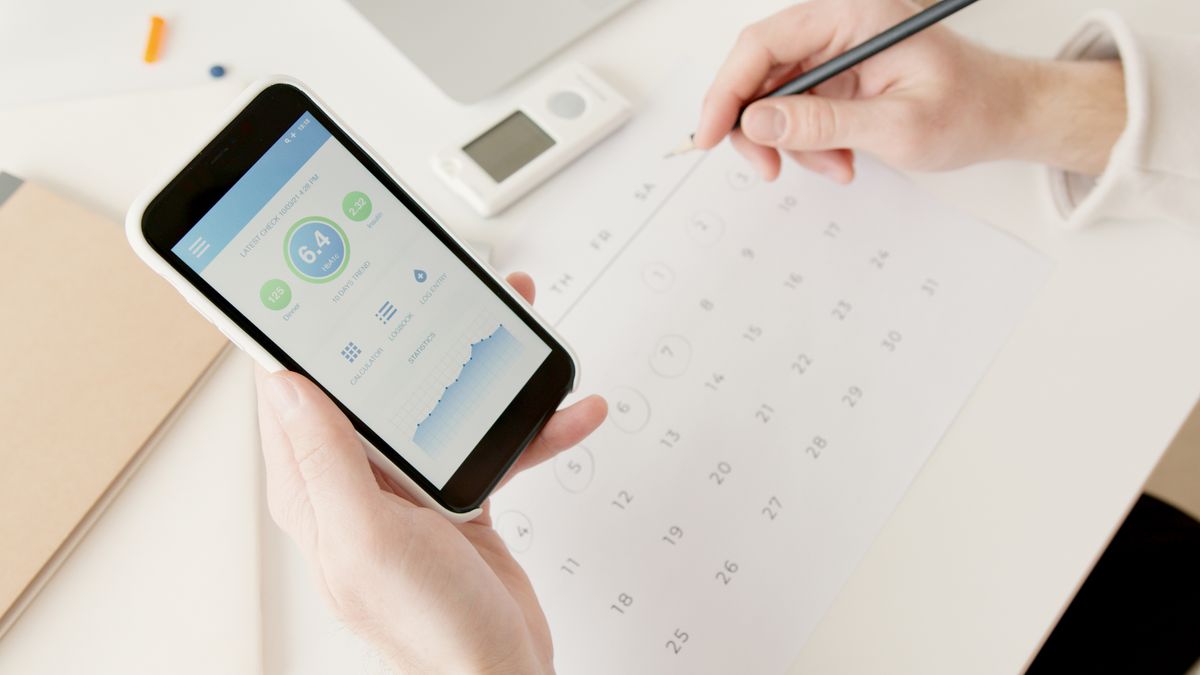
Photo: Artem Podrez on Pexels
Sending three reminders to every patient is a decent baseline. Sending an earlier, more persistent sequence to the appointments most likely to fail is what changes the numbers. This is what AI risk-scoring buys you.
The evidence is direct. An artificial intelligence-based appointment system increased the rate of patients attending appointments by 10% per month, and hospital capacity utilisation rose by 6%. The same body of research shows models can predict 92% of no-show patients accurately, which means a clinic can route earlier and more frequent touches toward the risky slots without flooding the reliable ones.
The signals the model weighs are the ones your practice management system already carries: appointment lead time, specialty, prior attendance history, day of week, time of day.
None of this requires a data science team on staff. It does require the operational layer to sit on top of your booking system and act on the score. That is what the AI automation for medical clinics complete guide walks through end to end.
If you want an honest read on whether this fits your clinic's current stack, book a free 30-minute consultation.
Filling the Slot When a Patient Still Does Not Show
Even a good sequence leaves some empty chairs. What separates a resilient clinic from a leaky one is what happens in the fifteen minutes after a slot opens up.
Run a live WhatsApp waitlist. When a cancellation or no-show is declared, an automated message goes to the top waitlisted patients with a self-booking link. More than two thirds of patients, 67%, prefer self-scheduling, and a one-tap link converts faster than any call your front desk can manage.
Speed is the whole game. If the automation fires within a couple of minutes of the cancellation, a nearby patient can still make it. If it fires an hour later, the slot is dead.
The other half of this problem is inbound: patients trying to cancel or reschedule who call and reach voicemail. Those calls compound the no-show rate because the appointment stays on the schedule until nobody arrives, and the fix sits in the AI call recovery workflow for medical clinics.
Building a No-Show Policy UAE Patients Will Actually Respect
A policy without enforcement is decoration. A policy without communication is a trap.
Write yours around three things: the cancellation notice window, any fee that applies, and the channel and timing you use to communicate it. State it in plain English and Arabic on the booking page and repeat it in the confirmation message.
The clever bit is the double duty. Patient acknowledgement of the policy at booking, worded correctly, doubles as documented PDPL consent for processing their contact data. One click, two obligations covered.
Post-no-show follow-up matters. A short WhatsApp the same afternoon, asking if the patient wants to rebook, refills the slot within the week. That message lands back in the clinic's shared inbox, which is why the email and ticket triage layer for medical clinics is worth having before you scale reminder volume.
If the pieces above look right but you are unsure how they fit your current PMS and WhatsApp Business setup, talk to an advisor about which layer to build first.
FAQ
What is the average no-show rate for medical clinics?
Globally the average no-show rate across medical specialties is 23%, with a range from 3% to 80% depending on service and demographics. A UAE private clinic at the higher end loses meaningful revenue weekly.
Are automated WhatsApp appointment reminders legal in the UAE?
Yes, when they are transactional messages to patients who gave explicit consent at booking and respect the calling window and channel rules under Cabinet Resolutions 56 and 57 of 2024. Consent must be captured and stored, satisfying Federal Decree-Law No. 45 of 2021, the PDPL.
How many reminder messages should a UAE clinic send before an appointment?
Three touches works well: a confirmation several days out, a day-before reminder with prep and location, and a same-day morning check-in. The morning touch matters most, because same-day contact is associated with an extremely low no-show rate.
Can UAE private clinics charge patients a fee for missing an appointment?
Clinics can set a cancellation policy including a fee, provided terms are clearly disclosed and accepted at booking. The amount varies by clinic and specialty and should appear in both Arabic and English before the patient confirms.
What should a no-show policy for a UAE medical clinic include?
Define the notice window, any fee, the channels used for reminders, and the patient's acknowledgement of consent. Wording it carefully lets one click cover both policy and PDPL consent.
How does an AI system predict which patients are likely to no-show?
The model reads signals your booking system already carries: appointment lead time, specialty, historical attendance, time and day. Research shows such models can predict 92% of no-show patients accurately, routing earlier reminders to high-risk slots.
What time window must UAE clinics respect when sending automated patient reminders?
The regulatory calling window sits between 09:00 and 18:00, and outbound communications must respect the DNCR and use local registered numbers. Transactional reminders to consenting patients differ from cold outbound, but scheduling automated sends inside the daytime window is the safe design.


